Terms of service and privacy policies should be updated whenever the business changes

Hello, this is Legal Agent.
One of the areas startups most frequently overlook is keeping their terms of service and privacy policy current. Many companies draft these documents once at incorporation or service launch and leave the text untouched long after operations have evolved. Over time, pricing structures change and enterprise tiers are introduced. Users may begin uploading content, external artificial intelligence tools are adopted, and operational data is migrated to overseas cloud infrastructure. Sales decks highlight these new capabilities while the formal legal terms continue to describe an earlier stage of the business.
A mismatch can create legal risk. Terms of service define the scope of the service, outline prohibited conduct, and set the boundaries of provider liability. A privacy policy explains why personal data is gathered, how it is handled, and with whom it is shared. Both documents must reflect actual operational practices.
Evolving services and corresponding contractual terms
Terms of service reflect how a platform currently functions. Transitioning from a free beta to a paid SaaS model introduces rules for billing cycles, renewals, and cancellations. Selling to enterprise clients requires distinct provisions for administrator accounts, access permissions, and sub-processing. Platforms supporting user-generated content need clear rules on intellectual property ownership and takedown procedures, while generative AI features raise questions about how user inputs are handled and whether they are used for model training. Every product release or pricing revision should prompt a targeted review of the contractual clauses it affects.
Standard-terms rules and amendment procedures
Posting revised terms online does not automatically bind existing users. For terms that qualify as standard terms under Civil Code Article 548-4, unilateral amendments are permitted under two specific legal routes: changes that serve the counterparty's general interests, or changes that are consistent with the purpose of the contract and reasonable in light of necessity, substance, any amendment provisions, and surrounding circumstances.
Under both statutory routes, the provider must establish an effective date and publicize the proposed modification, the revised content, and the effective date through an appropriate method. Under the second route based on reasonableness, this publication must occur prior to the effective date, or the amendment does not take legal effect. If the terms do not qualify as standard terms or the statutory requirements cannot be met, the business must seek individual consent or establish another valid legal ground. Any amendment should also prompt an operational review of customer notifications, sales collateral, and cancellation workflows.
Consumer protection and e-commerce restrictions
For consumer-facing services, freedom of contract is subject to statutory limits. The Consumer Contract Act permits consumers to rescind contracts resulting from improper solicitation and invalidates unfair contractual provisions. Broad liability disclaimers or clauses imposing disproportionate burdens on consumers may be declared void even if accepted in the terms.
For e-commerce transactions and recurring digital subscriptions, statutory disclosure rules under the Act on Specified Commercial Transactions and the design of the final confirmation screen require careful attention. Consumers must be able to review key terms, including total pricing and cancellation mechanics, immediately before placing an order. Having well-drafted terms is insufficient if the actual onboarding flow, marketing advertisements, or payment screens convey contradictory information. A thorough legal check must examine the exact interface screens users encounter during signup.
Privacy policies and actual data flows
A privacy policy must specify the purposes of using personal information as concretely as practicable. When collecting personal information directly in writing or through digital input forms, businesses are generally required to disclose those purposes in advance. Disclosing personal data to third parties and outsourcing data processing to external vendors trigger distinct regulatory requirements.
The amendment to the Act on the Protection of Personal Information (APPI) passed on July 10, 2026, and was promulgated on July 17, 2026. Except for specified provisions, the amended rules will take effect on a date specified by Cabinet Order within two years of promulgation. Legal teams must distinguish enactment and promulgation from the commencement date of individual provisions, keeping current compliance distinct from preparations for the amended regime as of September 13, 2026.
As a company expands, its data architecture typically becomes more complex, moving from simple web inquiry forms to integrated customer relationship management platforms, analytics services, and generative AI tools, alongside applicant and business partner records. Reviewing a privacy policy is most effective when starting from a data map rather than the existing text. This means identifying which interface collects information, who accesses it internally, and which cloud tools receive it. Teams should also verify whether data resides on overseas servers, whether it informs profiling or targeted advertising, and whether vendor arrangements constitute outsourcing or third-party provision.
Any change to the stated purpose of use must remain within a scope reasonably related to the original purpose. Using personal information beyond that related scope requires the individual's consent for that use unless a statutory exception applies. Check whether any existing consent already covers the proposed use. Merely updating the text of a privacy policy does not constitute valid consent for a newly introduced purpose or for third-party provision.
Input data and model training in AI features
Introducing generative AI into an existing platform raises immediate questions regarding where user inputs, including confidential corporate documents, are routed, how they are stored, and whether they are used for model training. The answers depend on whether the company operates its own models or relies on external APIs, as well as the vendor's commercial terms.
When users might input sensitive personal data or proprietary business records, review the prohibited inputs, security safeguards, and contact channel explained in the terms and interface notices. Providing personal data to an overseas contractor can still fall under APPI Article 28. Companies must confirm an applicable legal ground, such as a qualifying system with continuing equivalent measures or informed consent, rather than assuming vendor outsourcing is automatically exempt. Cloud infrastructure where the provider does not access personal data requires factual and contractual verification, as an API "no-training" setting alone does not eliminate data transfer considerations. Because an AI feature intersects personal data rules, copyright law, and contractual liability limits simultaneously, it requires a synchronized review of all related legal documentation prior to launch.
Consistency across sales materials and user touchpoints
Operational friction often arises from discrepancies between formal terms and representations made by sales teams. For example, terms of service may reserve the right to alter or discontinue features, while sales presentations promise permanent availability. Similarly, legal terms may describe technical support on a reasonable-efforts basis while custom sales proposals promise guaranteed 24-hour response times.
These inconsistencies can become issues during enterprise contract negotiations or disputes. Legal review should extend beyond the main contract to encompass custom proposals, knowledge bases, customer support templates, and onboarding emails, particularly as sales teams expand around Series A funding.
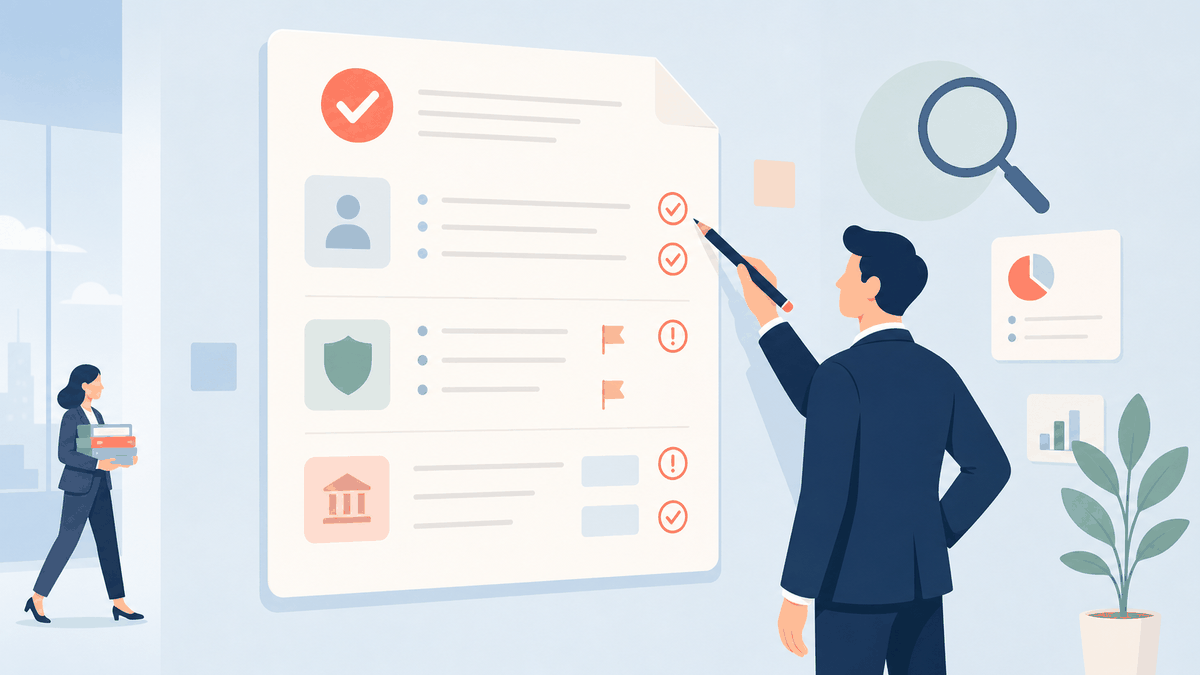
Practical checklist for terms and privacy policies
- Consistency of service scope, pricing, billing duration, and cancellation mechanics with actual operations
- Clear definitions of administrator accounts, sub-processing arrangements, and support scope for corporate customers
- Coverage of user-generated content, file uploads, and generative AI capabilities
- Practical enforceability of clauses governing prohibited activities, service suspension, data deletion, and platform modifications
- Enforceability of consumer liability disclaimers under the Consumer Contract Act
- Compliance of the final confirmation screen with statutory disclosure rules for e-commerce and subscription services
- Precise alignment between stated purposes of use and actual data collection practices
- Identification of all data outsourcing, joint use, third-party provision, and cross-border transfers
- Established incident response protocols for regulatory reporting, user notifications, and internal escalation during a data breach
- Substantive consistency across sales presentations, marketing collateral, user FAQs, and signup or cancellation interfaces
Aligning these items requires collaborative input across product management, engineering, sales, and legal teams.
Ongoing change management over one-off drafting
LegalAgent approaches terms of service and privacy policies as living operational documents that evolve alongside the product. This means evaluating legal implications before releasing a new feature, verifying how pricing changes apply to existing users, reviewing data flows prior to shipping AI tools, and confirming consent mechanisms before revising advertising practices.
Following an initial revision, companies should assign internal ownership to monitor subsequent business modifications. Engaging outside counsel to assist with these determinations on an ongoing basis provides a practical legal framework for growing companies. Terms of service and privacy policies reflect operational reality; when the product changes while legal documentation remains static, compliance gaps may arise.
Related LegalAgent services