What companies should decide before introducing AI agents into legal work

Hello, this is Legal Agent.
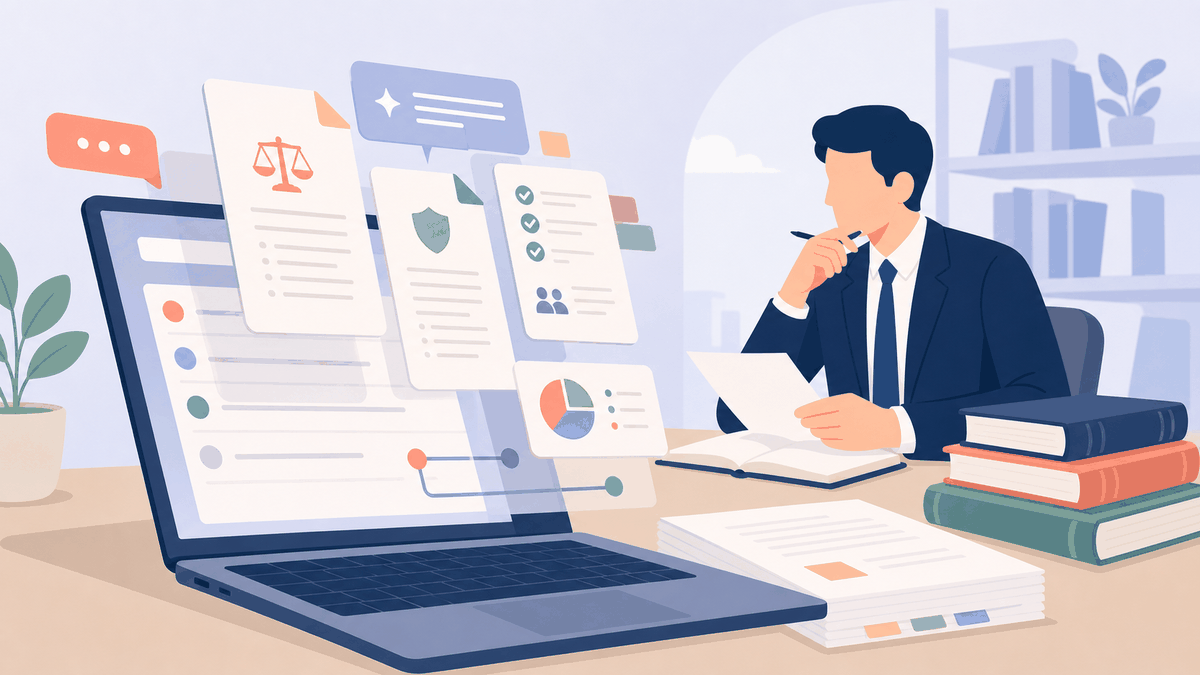
AI agents can help legal teams read contracts, propose revisions and draft correspondence. Deploying automated agents involves organizational design beyond software procurement. Decide what the agent may do, what information it may access and who checks its work. Otherwise it may become harder to see where a risk has arisen.
Tasks and review depth
Legal work involves different levels of judgment, from standard nondisclosure reviews to high-stakes acquisition diligence rooms. Choose the amount of automation according to the task and the importance of the transaction. While software agents can prepare preliminary confidentiality markups or summarize deal terms for human inspection, transaction materiality and business risk govern final review. Substantive decisions involving strategic commercial agreements or acquisition representations and warranties must not rely solely on automated outputs.
Information the agent may access
An agent may give more useful answers when it can refer to internal contract repositories, negotiation guidelines, and historical counterparty correspondence. Wider access also creates a risk of one matter's information being used in another. Information permissions require partitioning across departments, discrete matters, and role-based access tiers, so that information from one matter is not used in another without authority.
Human verification checkpoints and audit logging
Decide who checks the draft before external use, how closely it is checked and where high-risk issues are escalated. Without structured review gates, it can be unclear who checked or approved the result. Maintaining detailed audit trails capturing input prompts, AI suggestions, and the version approved by the lawyer supports internal controls during corporate compliance audits.
Services connected to this topic