What Is a Prompt? The Basics of Giving Instructions to Generative AI
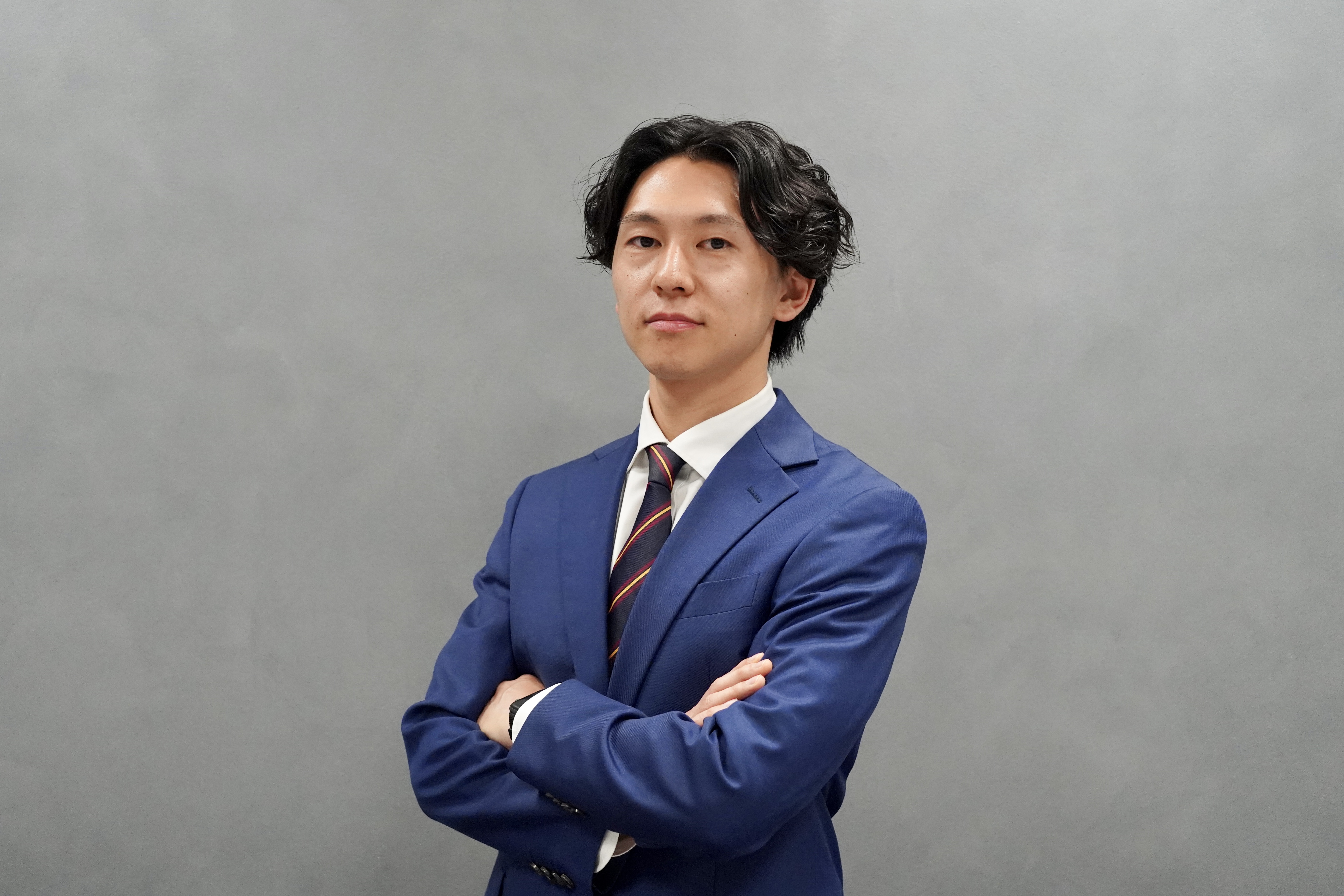

Hello, I'm Noriaki Asato, Representative Attorney at LegalAgent.
You type "Review this contract," but receive a summary instead of the risk analysis you wanted. Misunderstandings like this arise when you start using generative AI for legal work. The instructions or requests you enter are called "prompts." Imagine reviewing a services agreement received from a counterparty to identify clauses that disadvantage your company. The request you type into the interface is itself a prompt. Whether you simply write "Summarize this" or specify "List the risks in the termination clause from the client's perspective" changes the content and level of detail in the response.
The role of prompts in generative AI
A prompt is a request that tells generative AI what work to perform. Whether it is a short instruction or a detailed account of circumstances and assumptions, the input, including instructions and reference material, forms the prompt. Images and audio can also be inputs, but this article focuses on written requests.
Generative AI may infer your position from a contract or previous conversation. There is no guarantee, however, that the inference matches your company's circumstances. State explicitly whether your company is the client or service provider, and whether you need a summary for internal circulation or a draft response to a counterparty. Even with the same contract, different requests produce different responses, so how you give instructions affects the efficiency of the work.
OpenAI's guidance likewise identifies clear, specific instructions and sufficient context as basic practices.
Specifying the reader, purpose and output format
To obtain responses that are useful in practice, communicating the purpose of the request matters more than special wording techniques. Build your instructions around three questions: who will read the text, what it will be used for, and what format the response should take.
Specify whether the reader is a legal professional or a non-specialist business colleague, and whether the purpose is an internal discussion memo or a proposed response to the counterparty. Choosing a format, such as bullet points, a table or a word limit, also makes the response easier to use in the next step. These are the foundations of specifying roles, assumptions and output formats in practical work.
Concrete questions for different contract types
When reviewing contracts, state your company's position and the clauses you want checked. For example, if you ask only "When can this contract be terminated?", the response may be limited to a general explanation of grounds for termination.
By contrast, you could write: "We are the service provider. Please list the matters we should check from our perspective concerning the risk of unilateral early termination by the client." This lets you specify matters such as immediate termination without a demand to remedy a breach, or settlement of expenditure following early termination. Ask for the relevant clause numbers and short quotations as well, and compare them with the actual contract. More specific instructions do not guarantee accuracy or comprehensive coverage of the issues.
Examples of building instructions in stages
When drafting instructions, start by briefly adding the purpose and format to your request.
(Simple)
Summarize this contract.

(With a little more detail)
Summarize this services agreement for a legal professional,
using three bullet points in descending order of risk.
Add brief explanations of technical terms.
For an NDA, specify whether your company discloses or receives confidential information. Avoid carrying over the client and service-provider terminology used in a services agreement.
Our company is the recipient of confidential information. This is a memo for internal explanation.
For the following NDA, list three clauses that may impose a significant burden on the recipient,
using bullet points in order of importance.
For each item, include the clause number, a short quotation and the reason for the burden.
Distinguish matters that cannot be determined from the materials as unverified issues.

[Insert the NDA text only after confirming that input is permitted under internal rules]
Instead of trying to include everything perfectly in one request, develop the habit of stating your position and the desired format clearly.
The instruction "three items in order of importance" helps select the first issues to consider. It does not mean there are no issues beyond those displayed. Compare the response with your internal review checklist and make additional checks as needed.
Pitfalls and considerations when writing prompts
When you are unfamiliar with drafting instructions, it is easy to ask whether a contract is favorable without specifying your company's position. A clause's advantages and disadvantages can reverse depending on the party's position, so omitting that information may produce a response that differs from the analysis your company needs. Asking for several tasks at once is not necessarily wrong, but separating summaries, evaluations and proposed revisions makes it easier for a person to check intermediate results.
Check the following matters before entering information and after receiving a response.
- The scope of information that may be entered under the service's data-handling terms and internal rules
- Your company's contractual position, such as client or service provider, or discloser or recipient
- The materials and supporting grounds to check at each stage of summarizing, identifying issues and drafting revisions
- The person responsible for verifying the response and making the final decision on whether to adopt it
Even if you replace a counterparty's name with "Company A," the contract's content or amounts may identify the party or matter. Do not assume that masking proper names resolves confidentiality or personal-information issues; limit the input to what is necessary. The conditions of the plan you use are also discussed in The Basics of "Training Off" Settings When Using Generative AI for Work.
Support for generative AI use in legal departments
Improving prompts is a first step toward making generative AI part of a company's legal work. LegalAgent supports the development of prompt formats and standardized practices suited to the work involved.
Services connected to this topic